
Introduction
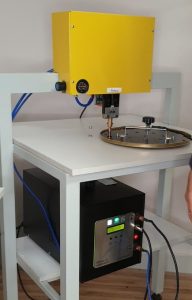
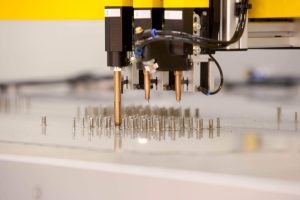
Semi-automatic stud welding machines are essential tools in various industries such as automotive manufacturing, construction, and metal fabrication, used for welding studs onto different surfaces. These machines utilize advanced technology and allow operators to perform the stud welding process with greater speed and precision. However, to ensure optimal performance and maintain welding quality, it is essential to follow certain basic guidelines to prevent damage to both the machine and the workpieces.
1- Proper Selection and Installation of the Machine
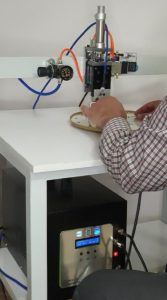
Before operating a semi-automatic stud welding machine, it is crucial to select the appropriate machine based on the type of stud and the material to be welded. During installation, it must be ensured that the machine is correctly configured and that all connections and components—both electrical and mechanical—are properly installed. Additionally, precise adjustment of the position and angle of the studs in the machine is essential to achieve high-quality welds.
2- Environmental Condition Check
Semi-automatic stud welding machines require suitable environmental conditions for optimal performance. Temperature, humidity, and air ventilation can all affect the machine’s operation and the quality of the welds. Ensuring that the workspace is dry and cool can extend the machine’s lifespan and prevent welding-related issues.
-
Ambient Temperature: Machines must operate within a proper temperature range. Extremely high or low temperatures can damage internal components.
-
Proper Ventilation: To prevent the accumulation of fumes and welding vapors, an effective ventilation system in the workspace is essential.
3- Machine Settings
For each type of stud welding, specific settings are required for the semi-automatic stud welding machine. These settings include welding speed, weld time, pressure, and machine temperature. Failure to adjust these parameters precisely can result in weak welds or damage to both components and the machine. It is recommended to consult the device’s user manual and adjust the settings according to the type and size of the studs.
4- Inspection of Studs and Materials
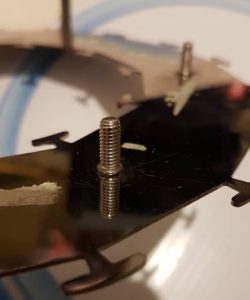
The type of stud and the material to be welded significantly affect welding quality. Using studs that are appropriate in terms of material, size, and surface coating can enhance the weld quality. Additionally, ensuring that the material surface is clean and free from contaminants can help prevent welding issues.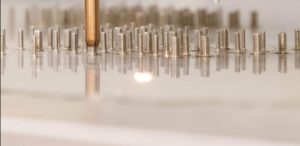
5- Safety and Necessary Precautions
In working with semi-automatic stud welding machines, safety must always be a priority. Since the welding process involves high heat and may produce toxic fumes, the use of safety equipment is essential. This equipment includes protective gloves, safety goggles, heat-resistant clothing, and appropriate respiratory devices. Additionally, machines and safety equipment should be regularly inspected to ensure their proper functioning.
6- Maintenance and Servicing of the Device
To maintain the efficiency of the semi-automatic stud welding machine, special attention must be given to regular maintenance and servicing. This helps increase the device’s lifespan, prevent unexpected breakdowns, and preserve welding quality. Essential maintenance tasks include regularly inspecting and cleaning the internal parts of the machine, lubricating moving components, and replacing filters. It is also recommended to turn off and clean the machine after each usage period.
7- Welding Quality Control
After completing the welding process, it is essential to inspect the quality of the weld. The weld should be visually and structurally sound. Any defects, such as cracks, air bubbles, or weak welds, must be identified and corrected. If welding problems occur, the device should be examined to determine the cause of the defect.
8- Operator Training
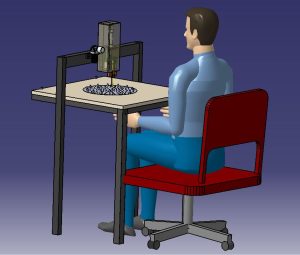
Proper training of operators for using semi-automatic screw welding machines plays a very important role in improving work quality. Operators should be familiar with the device’s operation, various settings, and safety procedures. Training and awareness of the correct usage methods can prevent welding issues and equipment damage.
9- Time Management and Productivity
In large industries, optimal use of time and increasing productivity are of great importance. Adjusting the machines so that the welding process is carried out in the fastest and most efficient way can save delivery time and boost productivity. Additionally, proper process management and precise scheduling reduce costs and improve the quality of the final product.
Conclusion:
Semi-automatic screw welding machines are efficient and advanced tools widely used in various industries for welding screws. By observing important operational tips such as precise settings, safety precautions, and proper maintenance, it is possible to ensure improved weld quality and extended machine lifespan. Additionally, operator training and careful quality control of the welds are essential for working with these machines, contributing to the production of high-quality products.